Portfolio
Four photo series — Plastic Heritage, Waste World, Exodus, Fuck Polar Bears — on plastic pollution, global warming, climate migration and fast fashion.
-
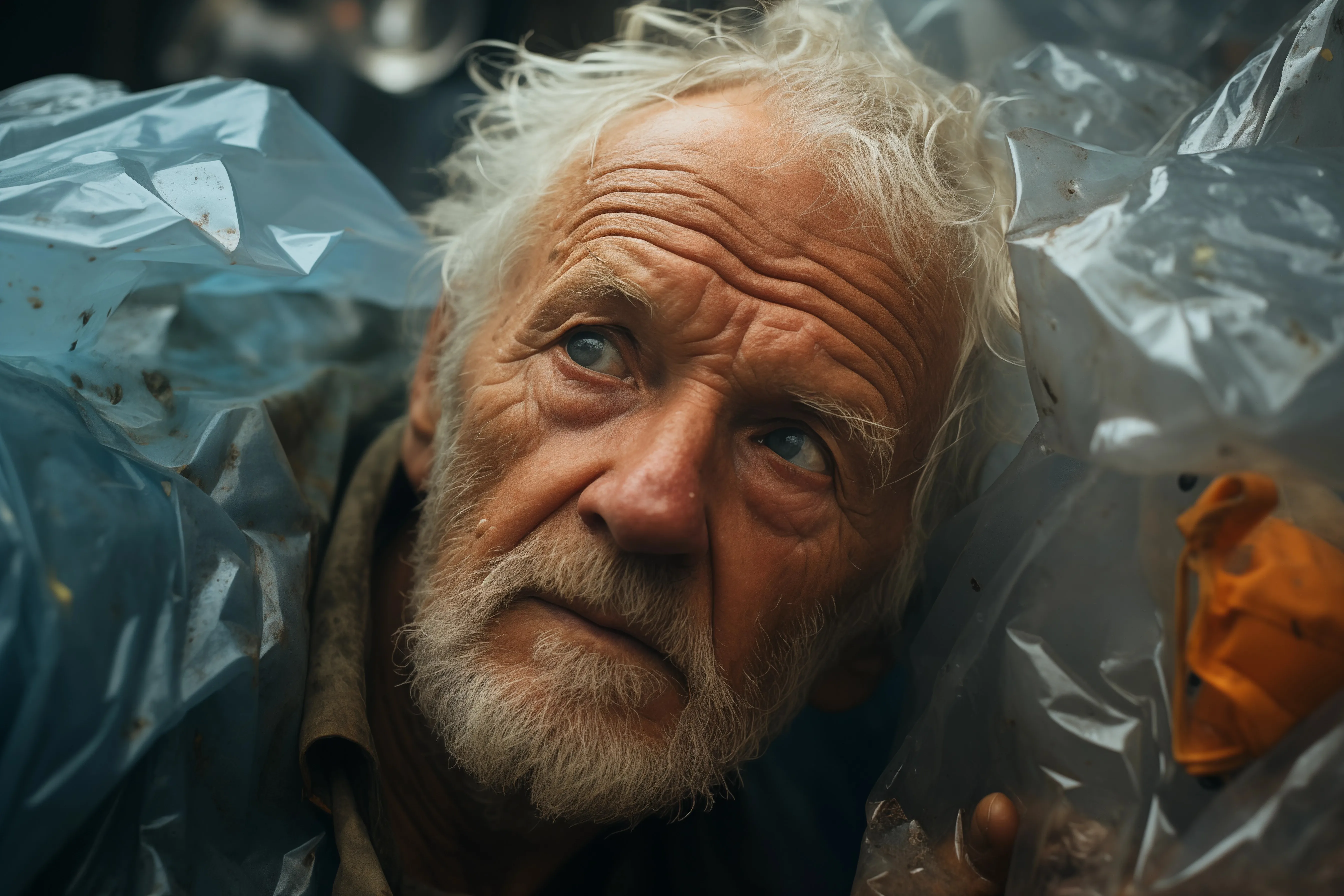
Plastic Heritage
Plastic pollution across generations · 5 photos
-
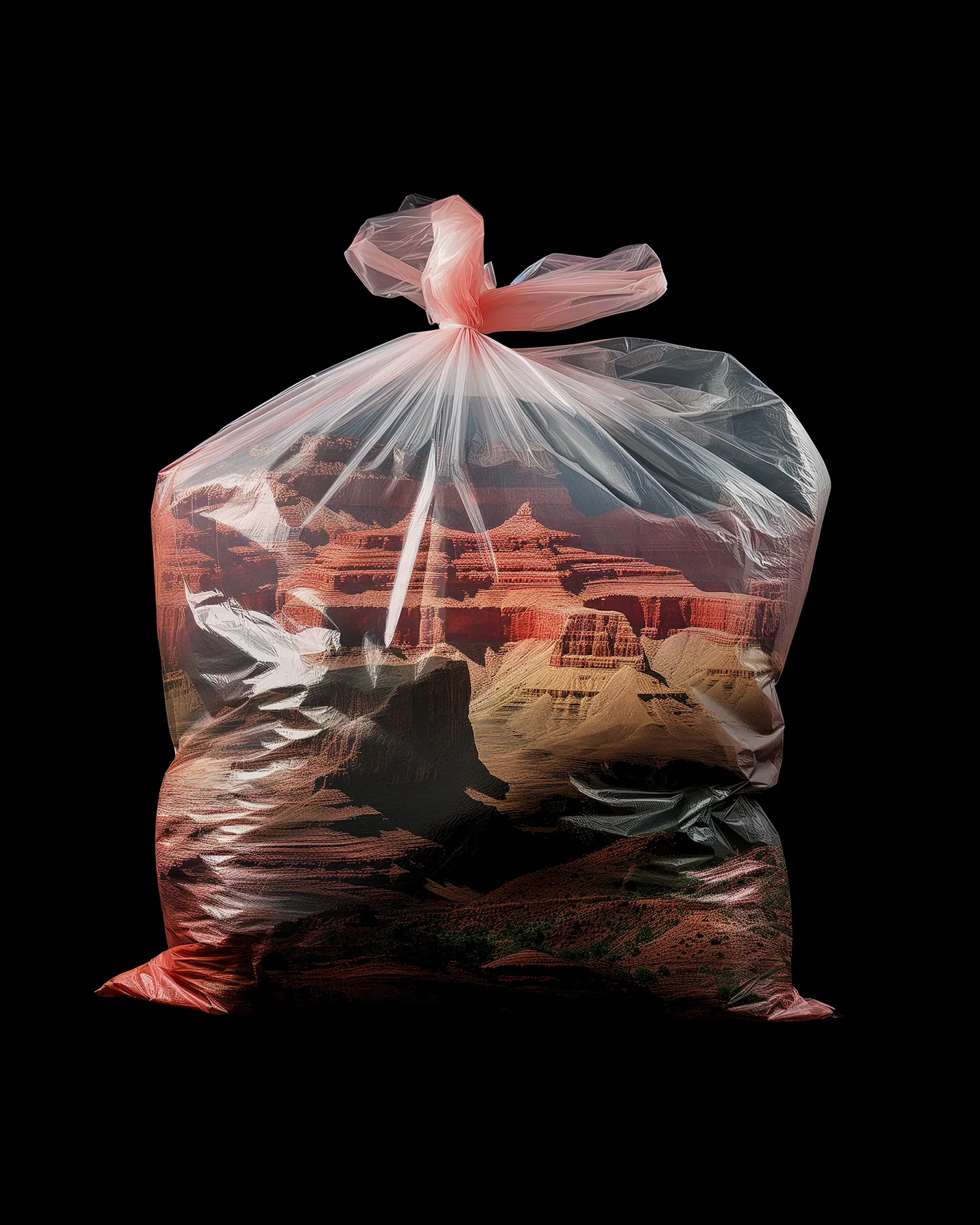
Waste World
Throwing away our planet’s treasures · 5 photos
-
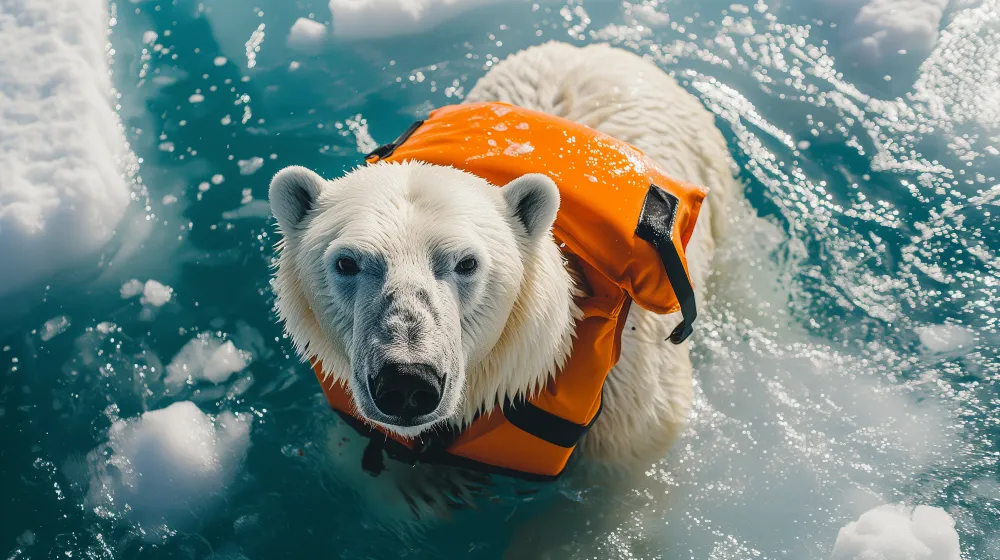
Exodus
Climate migration, polar bears and migrants · 10 photos
-
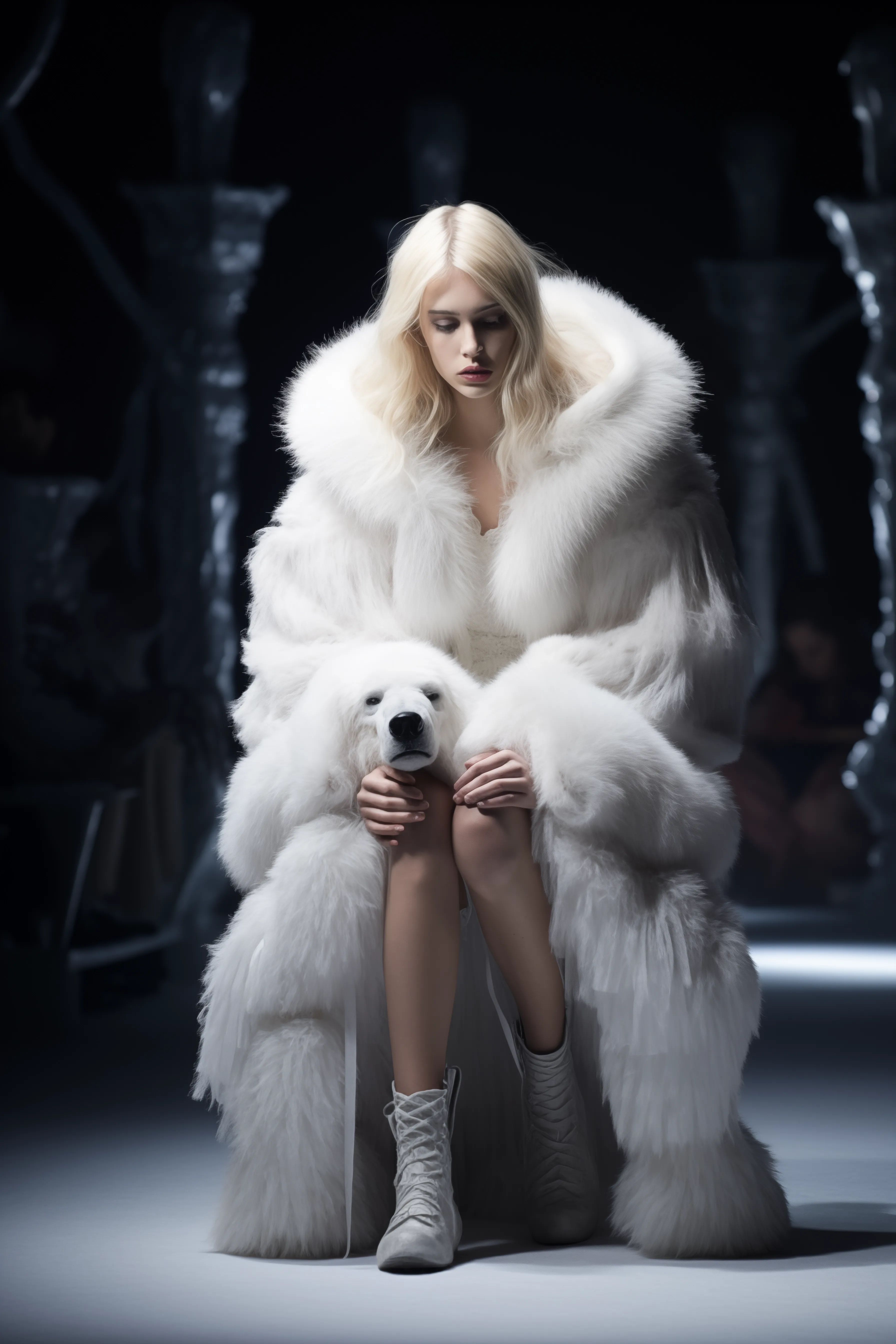
Fuck Polar Bears
Fast fashion and overconsumption · 8 photos
Photographing the imaginary
For these series I explored a new photographic tool that opens up unprecedented possibilities: artificial intelligence. It is one more step in my journey, a fascinating and almost natural technical evolution when I think back to my beginnings in film photography, to the long hours spent in the silence of the darkroom, hands plunged into the chemical baths.
Today, with this tool, I feel I am working in a huge studio with no walls and no constraints. I can shape my models, build my sets, sculpt the light, choose each lens the way one would choose an emotion. It is exhilarating, almost dizzying. AI lets me bring to life ideas that reality would sometimes never allow.
But this absence of limits can also be disorienting. When everything becomes possible, the hard part is not getting lost. That is why an essential part of my work happens beforehand: I spend a lot of time thinking, dreaming the images, structuring the series. The process starts in my head, then takes shape on paper as hand-drawn storyboards — a return to gesture and line that helps me stay on course.
Once this preparatory phase is over, making the images takes about a week per series. It is dense, immersive work that demands as much rigour as freedom.
I am well aware of the environmental impact of artificial intelligence and its hunger for energy. I try to use it thoughtfully, hoping that the meaning and reach of the images will, in some way, balance out this invisible cost.
— Blaise Thiercelin